Budget season has a way of making last year’s numbers look like a convenient starting point. But when it comes to commercial plumbing, looking backward only tells you part of the story. The repairs you paid for in 2026 don’t necessarily tell you which equipment is nearing the end of its useful life, which recurring problems are likely to continue, or which deferred projects could become more expensive if they wait another year. A better plumbing budget starts by looking at what your property actually needs. Here’s a practical way to approach it. 1. Predictable Maintenance Start with the work you already know should happen during the year. Depending on your facility, that could include preventive drain cleaning, water heater maintenance, backflow testing, pump inspections, fixture maintenance, or other recurring plumbing services. This is also a good time to look at your service history. If the same drain, restroom, fixture or piece of equipment generated multiple calls this year, simply budgeting for another round of repairs may not be the best approach. Ask why the problem keeps returning—and whether preventive maintenance or a more permanent repair belongs in next year’s plan. 2. Planned Repairs and Replacements Next, identify the larger plumbing expenses you can reasonably see coming. Consider the equipment and systems you’re responsible for: Water heaters Pumps Backflow prevention assemblies Restrooms and fixtures Commercial kitchens Aging piping Tenant-specific plumbing equipment Age matters, but it shouldn’t be the only consideration. Look at current condition, repair history, parts availability and the consequences of failure. A piece of equipment that still operates may deserve a higher priority if its failure would shut down a kitchen, close restrooms, interrupt a tenant’s operations or leave a building without water. Planning for replacement before failure also gives you more control over timing, purchasing and disruption. 3. A Reserve for the Unexpected Not every plumbing problem can be predicted. A pipe can fail. A drain can back up. A pump can stop working. That’s why a commercial plumbing budget should leave some room for unplanned repairs. How much depends on the building. An older property with aging infrastructure and a history of plumbing issues may warrant a different reserve than a newer facility with well-maintained systems. The goal isn’t to predict every emergency. It’s to avoid treating every unexpected repair as an unexpected expense. Look Beyond the Equipment Your 2027 needs may also be shaped by what’s changing around the property. Are tenants moving in or out? Are spaces being renovated or repurposed? Is occupancy increasing? Are there planned kitchen or restroom upgrades? Are inspections or compliance requirements coming up? Changes to how a building is used can change what its plumbing system is being asked to do. And if a major project is already on the horizon, planning early matters. Equipment availability, permitting, scheduling and coordination with other contractors can all affect when the work can realistically happen. Start With a Walk-Through You don’t need to know exactly what will fail in 2027 to build a better budget. You do need to know what you have, what condition it’s in and what deserves attention. Before next year’s budget is finalized, walk the property with your facilities team and plumbing partner. Review recurring service calls. Identify aging equipment. Revisit the projects that were deferred this year. Talk through what could create the greatest operational disruption if it failed. Then sort those needs into three categories: Maintain it. Plan for it. Prepare for it. That gives you something far more useful than another year of reacting to plumbing expenses as they happen. Planning your 2027 facility budget? Action Plumbing can help you assess your plumbing systems, identify priorities and determine what should be on your radar for the year ahead.
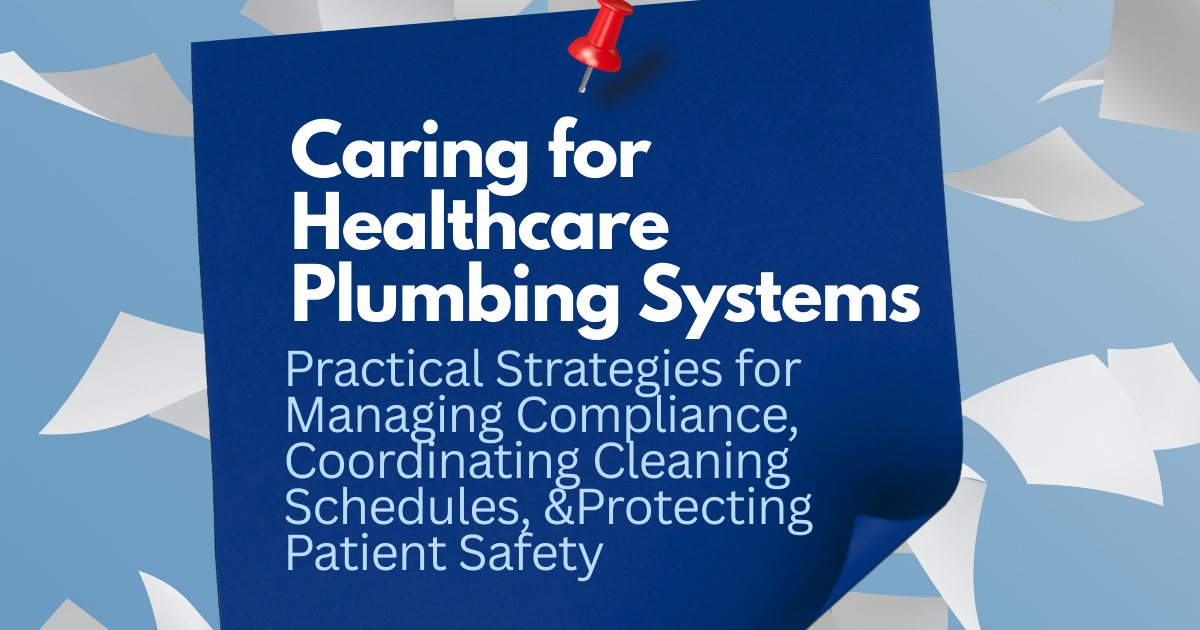
Manage healthcare plumbing systems for compliance & patient safety. Contact Action Plumbing for expert services in NJ, PA & DE.
Learn how sewer camera inspections enhance asset life & tenant satisfaction. Contact Action Plumbing for expert services today!
Learn smart leak detection & prevention strategies for commercial facilities. Contact Action Plumbing to protect your property today!